





Walk through any skincare routine online, and you'll usually find more than one serum in the mix — a hydrating one, a brightening one, maybe an anti-aging treatment layered on top. It raises an obvious question: is that actually fine, or is it just an expensive way to overload your skin? The honest answer is that layering serums works well when it's done with a bit of logic, and works poorly when it's just stacking every active you own without thinking about how they interact.
Yes, You Can Layer Serums — With a Framework
There's nothing inherently wrong with using more than one serum in a routine. Serums are formulated to be lightweight and fast-absorbing precisely so they can be layered, and using several targeted treatments is often more efficient than hoping a single "do everything" serum covers hydration, brightening, and anti-aging all at once. The key is applying a bit of structure so the serums support each other instead of competing or diluting one another's effect.
The Golden Rule: Thinnest to Thickest
When layering more than one serum, always apply from the lightest, most watery consistency to the thickest. This isn't a cosmetic preference — it's about absorption. A thin, water-based serum applied on top of a heavier one will struggle to penetrate, since the denser layer underneath acts as a partial barrier. Applied in the correct order, each layer gets a fair chance to actually reach the skin rather than sitting on top of something that's already sealed it off.
A typical order looks like: water-based hydrating serums first (like hyaluronic acid), then treatment serums with active ingredients (vitamin C, niacinamide, peptides), then oil-based serums last, since oils are the heaviest and most occlusive.
Which Serums Layer Well Together?
Some combinations genuinely complement each other rather than just coexisting:
- Hyaluronic acid + almost anything. Hyaluronic acid is a humectant that draws in moisture, and it pairs well as a base layer under virtually any other serum, since it doesn't interfere with actives applied afterward.
- Niacinamide + vitamin C. Despite the old myth that these cancel each other out, modern stabilised formulas layer well together, with niacinamide supporting barrier function while vitamin C handles brightening and antioxidant defence.
- Peptides + hyaluronic acid. Peptides support collagen signalling and don't conflict with hydrating ingredients, making this a low-risk, high-value pairing for anti-aging routines.
- Niacinamide + hyaluronic acid. A gentle, broadly compatible combination that covers barrier support and hydration without much risk of irritation for most skin types.
Which Combinations Need More Care
A few pairings are less about outright danger and more about the cumulative effect of stacking too many potent actives at once:
- Multiple exfoliating acid serums (glycolic, salicylic, lactic) layered together can push well past what your skin barrier can comfortably handle in one sitting.
- Retinol serums layered with vitamin C or acids are generally better kept apart, either by time of day or alternating nights, since combining them raises irritation risk without necessarily improving results.
- Two serums targeting the exact same concern at high concentrations (say, two separate brightening serums) don't typically add up to double the benefit — they're more likely to just double the irritation risk for a similar outcome.
Signs You're Layering Too Much
- Pilling, where product balls up on the skin instead of absorbing, is often a sign you're applying too many layers too quickly, without enough time between them.
- Redness, stinging, or a compromised feel to your skin usually means you've stacked too many active ingredients in one sitting, regardless of how well they theoretically pair.
- If you can't tell which product is actually delivering results, you may be layering more serums than your routine actually needs — sometimes simplifying gets you further than adding on.
A Practical Approach to Multi-Serum Routines
Rather than trying to use every serum you own every single day, many dermatologists suggest rotating actives rather than stacking all of them in one sitting. A hydrating serum daily, a brightening treatment a few times a week, and a stronger active like retinol reserved for alternate nights covers a lot of ground without overwhelming your skin. This kind of rotation often delivers better long-term results than an aggressive daily stack, simply because your skin has time to actually process and benefit from each ingredient rather than being asked to absorb five things at once.
Give each layer roughly a minute to settle before applying the next, especially with more concentrated treatment serums — this alone solves a lot of the pilling and reduced-absorption issues people run into when layering.
Building a Layered Routine That Works Together
Choosing serums designed to complement each other removes a lot of the guesswork. In the UAE, Meddu's CNC Advanced Skincare collection includes several serums built to be layered without conflict, so you're not left second-guessing which combinations are safe.

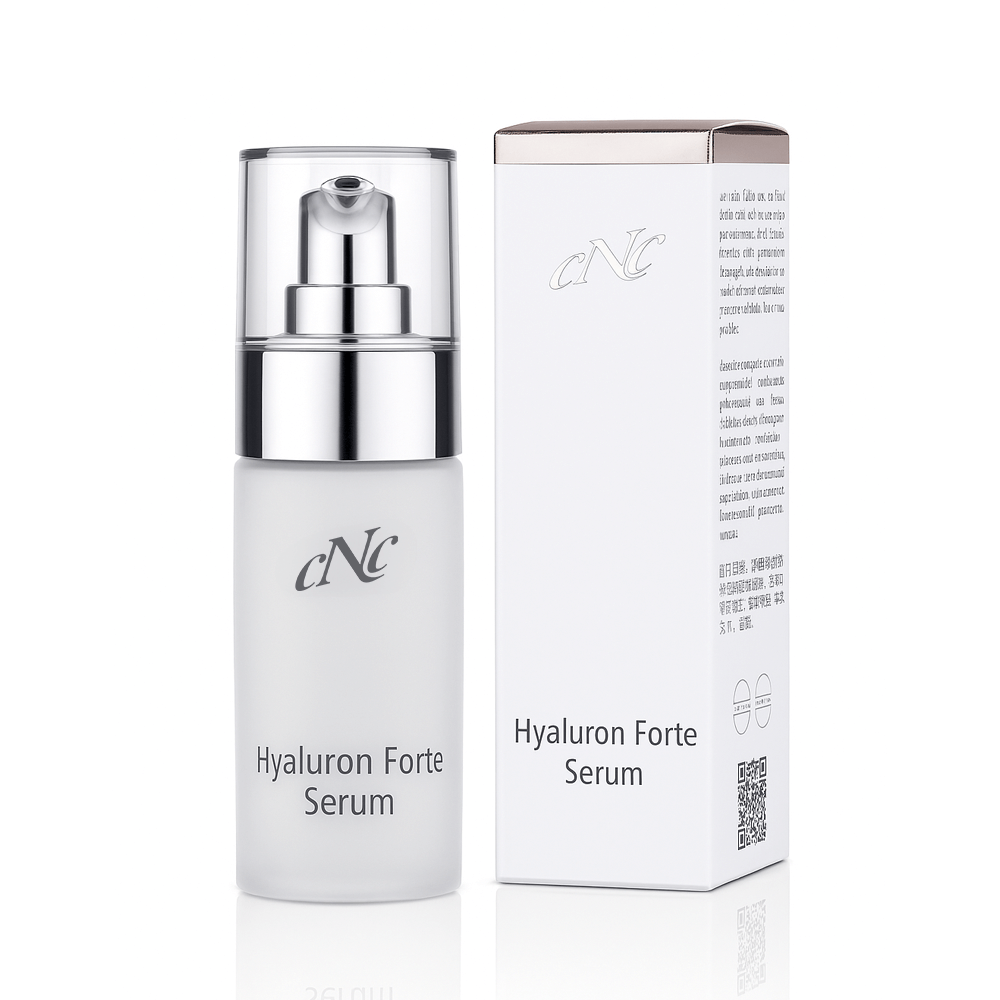
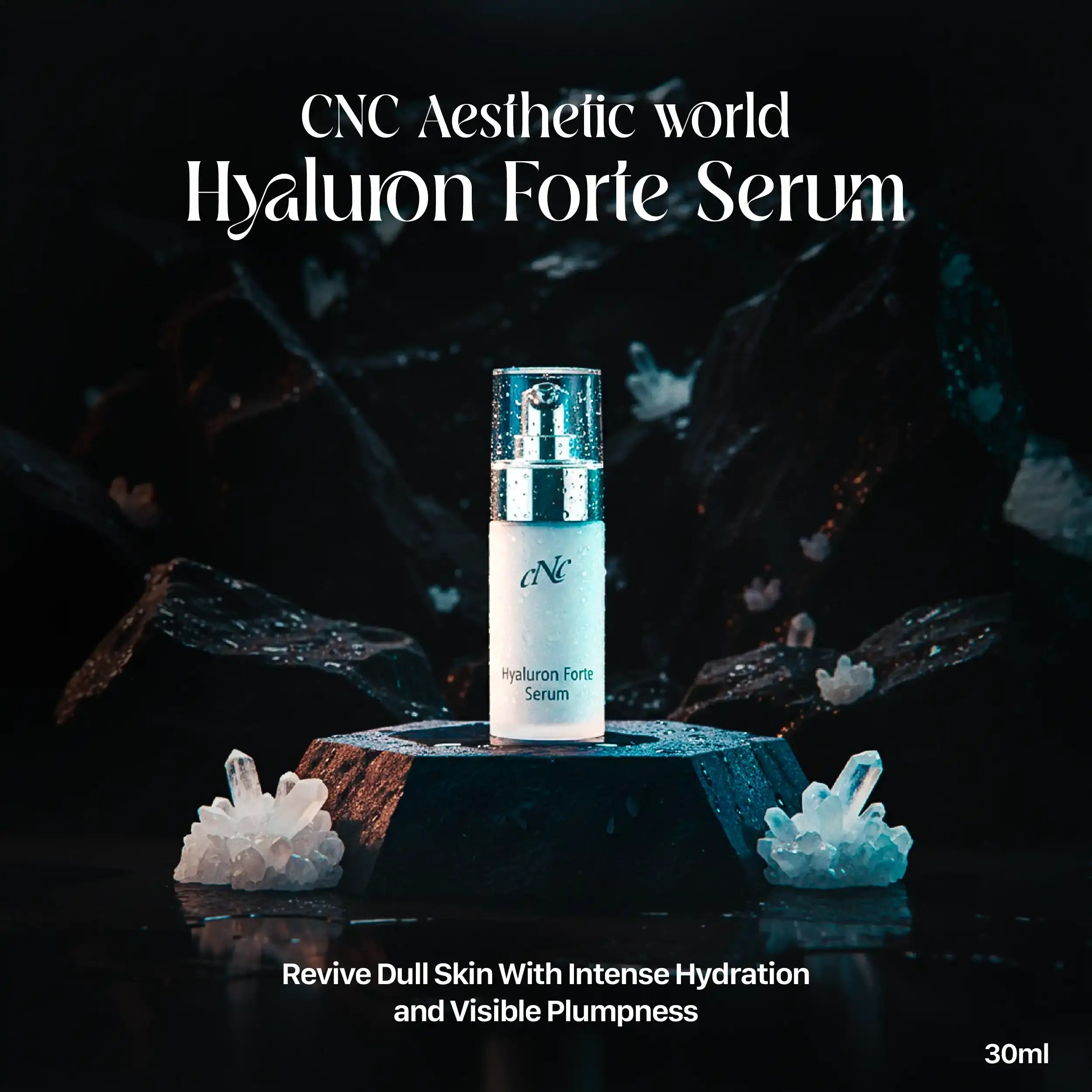
works well as a first, water-based layer, delivering deep hydration that supports whatever active treatment goes on top of it. Follow it with the CNC MED HYAL Glow & Brightening Serum, 
which combines niacinamide with a stabilised vitamin C derivative — since both actives are already formulated to work together, layering it over your hydrating base doesn't introduce any of the conflicts covered above. For an added concentrated boost, the CNC Hyaluron Lift Ampulle 
can be layered in a few times a week for extra hydration without disrupting the rest of your routine. Browse the full CNC collection range in the UAE to build a layering sequence suited to your skin's specific goals.
Conclusion
Layering multiple serums works well when you apply them thinnest to thickest, give each one time to settle, and pay attention to which combinations genuinely complement each other versus which ones just add irritation risk without added benefit.
More serums isn't automatically better — a thoughtfully layered two- or three-step serum routine will usually outperform five stacked actives fighting for the same square inch of skin.
FAQs
Q: How Many Serums Can I Use Together?
A: Two or three serums are usually enough. More products can increase the risk of irritation.
Q: Which Serum Should I Apply First?
A: Apply the thinnest, water-based serum first, followed by thicker formulas.
Q: Can I Use Serums Every Day?
A: Yes, if your skin tolerates them. Start slowly with stronger active ingredients.
Q: Should I Use Different Serums Morning and Night?
A: Yes. Using different actives at different times can help reduce irritation.
Q: Can Too Many Serums Damage My Skin?
A: They can cause dryness, redness, or irritation. Keep your routine simple and balanced.