





Retinol has a reputation problem. It's one of the most researched, most recommended anti-aging ingredients in skincare, and yet plenty of people who try it end up with red, flaking, uncomfortable skin within the first week and quietly shelve the bottle. The mistake is rarely the ingredient itself — it's usually the pace. Whether retinol belongs in your daily routine depends almost entirely on how long you've been using it and how your skin has responded so far in the harsh weather conditions of the UAE.
Why Retinol Isn't a "Start Daily" Ingredient?
Retinol works by speeding up cell turnover, prompting skin to shed older surface cells faster and generate new ones more quickly. That process is exactly what smooths texture and softens fine lines over time, but it also means retinol is, by design, a disruptive ingredient. Apply it too often before your skin has adjusted, and you're pushing that turnover process faster than your skin's barrier can comfortably keep up with — which is where the redness, tightness, and peeling most beginners experience actually comes from.
The Honest Answer: It Depends on Your Stage
If you're new to retinol, daily use from day one is the most common reason people give up on it. Most dermatologists recommend easing in gradually instead:
- Weeks 1–2: Two nights a week, non-consecutive (say, Monday and Thursday), giving your skin recovery days in between.
- Weeks 3–4: Three nights a week, or every other night if the first stretch went smoothly.
- Weeks 5–8: Alternate nights, moving toward nightly use only if your skin isn't showing signs of irritation.
- Week 9 onward: Nightly use, if your skin has tolerated the buildup well.
This isn't a rigid formula — it's a pace-setting guide. If you notice redness, stinging, or flaking at any stage, that's your skin telling you to hold at the current frequency a little longer, or drop back a step, rather than pushing forward.
If you've been using retinol consistently for several months, your skin has typically built enough tolerance that daily use is not just possible but often where the ingredient delivers its best results. Experienced users generally handle nightly application far more comfortably than beginners, since the skin's retinoid receptors and barrier function have had time to adapt.
Factors That Change the Answer for You
A few things shift where you land on the "how often" question:
- Skin type — oilier, more resilient skin often tolerates daily use sooner, while dry or sensitive skin may do better staying at a few nights a week indefinitely.
- Strength and formulation — lower-percentage retinol (around 0.01–0.03%) is far more forgiving for daily use than higher-strength formulas, and encapsulated or buffered retinol tends to cause less irritation than raw, unbuffered versions.
- Your goal — if you're using retinol for general anti-aging maintenance, a few nights a week is often enough to see results. If you're targeting acne specifically, your dermatologist may recommend a more frequent schedule.
- Season — many people who comfortably use retinol nightly in summer find they need to dial back to every other night in drier winter conditions, or add a heavier moisturizer as a buffer.
Signs You're Using It Too Often
Retinol working shouldn't feel like your skin is under attack. Watch for:
- Persistent redness or a burning sensation that doesn't settle
- Ongoing flaking or rough, tight-feeling patches
- Increased sensitivity to other products you previously tolerated well
If any of these show up, it's not a failure — it's useful feedback. Pause for a few days, focus on gentle hydration, and reintroduce retinol at a lower frequency once your skin has calmed down. Skipping a few applications won't undo progress you've already made.
Rules That Apply No Matter Your Frequency
- Always use retinol at night. It can make skin more sensitive to UV, and evening is also when skin's natural repair processes are most active.
- Sunscreen is non-negotiable the next morning, even if it's cloudy, since retinol-treated skin is more vulnerable to sun damage.
- Patch test new formulas, especially if you have reactive or sensitive skin.
- Pair with a moisturizer, either underneath or immediately after, to buffer the drying effect while your skin adjusts.
Bringing Retinol Into Your Routine
If you're ready to introduce retinol or want a well-formulated option to build tolerance with, Meddu's CNC Advanced Skincare collection in the UAE includes anti-aging serums designed with this kind of gradual approach in mind.
The CNC Aesthetic World AgeMinus Face Serum

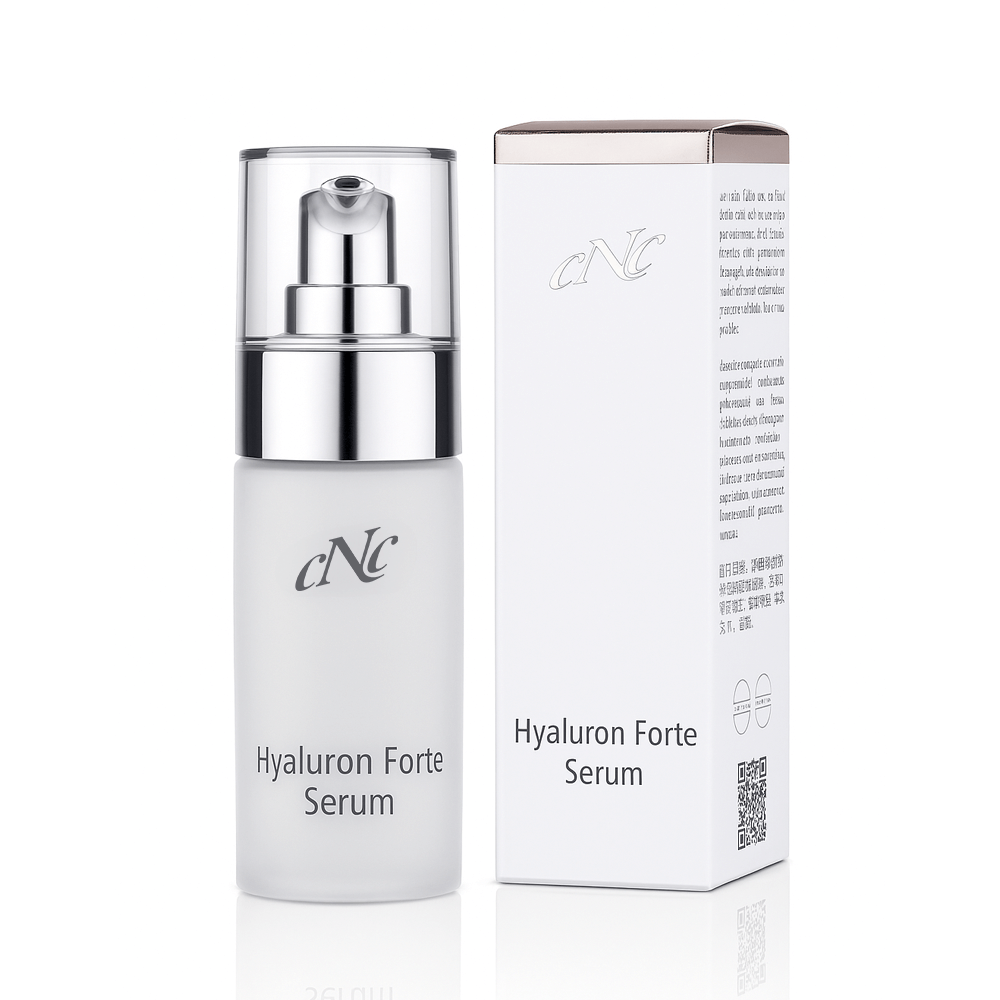
is formulated with retinol to target fine lines, firmness, and overall skin renewal, and is designed to be introduced at night as part of a measured routine rather than a full-strength daily treatment from the start, given the extreme weather conditions in the UAE. Pair it with a hydrating layer like the CNC Hyaluron Forte Serum

underneath to help buffer sensitivity while your skin builds tolerance, and finish with a barrier-supporting moisturizer such as the CNC Classic PLUS DiHyal Structure Creme.

Explore the full CNC collection in the UAE for more anti-aging serums and creams suited to easing retinol into your routine at a pace your skin can actually keep up with.
Conclusion
At Meddu in the UAE, we believe skincare should be built around consistency, patience, and your skin’s individual needs. Retinol can be a valuable addition to a skincare routine, but using more or using it more often does not necessarily mean getting faster results.
Start gradually, with CNCs' wide range that allows your skin time to adjust, and reduce frequency if irritation develops. Moisturizing regularly and protecting your skin from the sun can also support your routine in the humid weather conditions of the UAE.
If you are unsure whether retinol is suitable for you, especially if you have sensitive skin or a specific skin concern, consider speaking with a dermatologist. Healthy skin is a long-term goal—not a race.
FAQs
Q: Is Daily Retinol Good for Your Skin?
A: It can be, if your skin tolerates it. Consistent use may help improve texture, uneven tone, and the appearance of fine lines in the UAE's weather.
Q: What Happens If I Use Retinol Too Often?
A: Overuse can cause dryness, peeling, redness, irritation, or increased sensitivity.
Q: Can I Use Retinol Every Day After My Skin Adjusts?
A: Yes. Some people can eventually use it daily, while others may do better with less frequent application.
Q: Do I Need Sunscreen When Using Retinol?
A: Yes. Use broad-spectrum sunscreen during the day and limit unnecessary sun exposure.
Q: How Long Does It Take to See Results From Retinol?
A: Results vary, but noticeable changes usually take consistent use over several weeks or longer.