





Vitamin C has such a strong reputation as a "morning" ingredient that using it at night can feel like you're doing your routine wrong. The advice to apply it in the morning isn't baseless — there's a real reason behind it — but that doesn't mean nighttime use is off the table. In fact, for a lot of people, an evening vitamin C routine works just as well, sometimes better. Here's the actual reasoning, not just the rule.
Why Did the Morning Routine Become the Default Advice?
Vitamin C is an antioxidant, and antioxidants work by neutralising free radicals — unstable molecules generated by UV exposure, pollution, and other environmental stressors of the UAE's extreme weather. Since most of that environmental stress happens during the day, applying vitamin C in the morning means it's already active in your skin when it's needed most, offering a layer of defence underneath your sunscreen. It's also widely reported (though not universally proven) to enhance the effectiveness of SPF slightly, which further reinforces the "use it before you leave the house" habit.
That's a genuinely good reason to use vitamin C in the morning. It's just not the only valid time to use it.
What Actually Happens If You Use It at Night?
Vitamin C doesn't stop working after sunset — its antioxidant function and its role in supporting collagen production and brightening skin tone aren't tied to daylight hours. Your skin undergoes its own repair processes overnight, and applying vitamin C at night means it's present and active during that natural renewal window rather than only during the day. For anyone using vitamin C specifically for its brightening or collagen-supporting benefits rather than as daytime antioxidant defence, nighttime use is entirely reasonable — and for some skin types, it's actually the more comfortable option.
Reasons People Choose Vitamin C During Nighttime
- Sensitive skin sometimes reacts better to vitamin C without the added stress of daytime environmental exposure layered on top, particularly with stronger formulations like L-ascorbic acid.
- A simpler morning routine. Not everyone wants to add a wait-time step (see below) before sunscreen every morning, so shifting vitamin C to the evening frees up the AM routine.
- Pairing with other actives. Some people prefer to use vitamin C at night and save retinol or exfoliating acids for alternate nights, rather than trying to fit both into one AM/PM split.
- Reduced risk of oxidation from sun exposure. Certain unstable vitamin C formulas can degrade faster when exposed to direct sunlight throughout the day; using them at night sidesteps this entirely.
Does Using Vitamin C at Night Cancel Out Its Benefits?
No — this is a common misconception. The idea that vitamin C is "wasted" if it's not layered under SPF assumes its only job is boosting sun protection, which isn't accurate. Antioxidant support, brightening, and collagen benefits all still apply regardless of the time of day you apply it. What you do lose by skipping morning application is the added daytime environmental defence — but that's a difference in emphasis, not a case of the ingredient doing nothing.
When Morning Still Makes More Sense
There are a few situations where sticking with morning application is genuinely the better call:
- If you're using vitamin C specifically to boost your sunscreen's environmental defence, morning is when that function is actually put to use.
- If you're combining it with retinol, applying vitamin C in the morning and retinol at night avoids any concern about the two interacting, even though modern formulations make this less of an issue than it used to be.
- If your skin tolerates it well and you don't mind the extra wait-time step before sunscreen, there's no real downside to keeping the traditional AM routine.
A Few Ground Rules, Whichever Time You Choose
- Stick to one time of day rather than both, unless you're specifically layering different vitamin C formulas for a reason — using a strong serum twice daily can increase the chance of irritation without much added benefit.
- Apply to clean, dry skin, ideally right after cleansing and toning, since vitamin C works best on a completely clean base.
- Give it a few minutes before layering anything else, particularly if you're using a traditional L-ascorbic acid formula, which needs a lower pH environment to be absorbed properly.
- Store it away from direct light and heat, since vitamin C — especially L-ascorbic acid — is prone to oxidising and losing potency when exposed to air, light, or high temperatures over time. An orange or brown-tinted serum is usually a sign it's starting to degrade.
Choosing a Formula That Works Either Way
Some forms of vitamin C are more flexible about timing than others. Stabilised derivatives, such as sodium ascorbyl phosphate or magnesium ascorbyl phosphate, are generally more resistant to light-triggered oxidation than pure L-ascorbic acid, which makes them a more forgiving choice if you want the option to switch between morning and evening use, or use it at night specifically to sidestep the oxidation issue altogether.
In the UAE, Meddu's CNC Advanced Skincare collection includes vitamin C formulas built with this kind of stability in mind, making them well suited to either time of day.
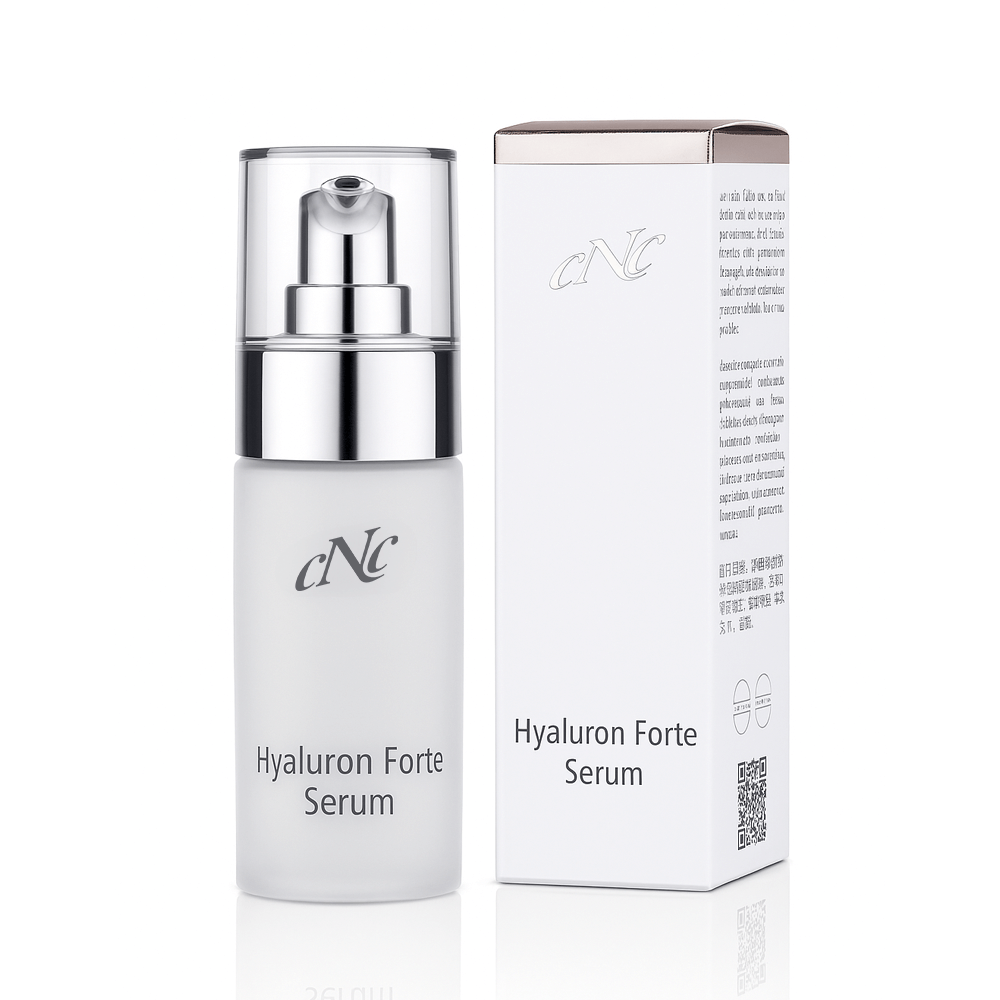
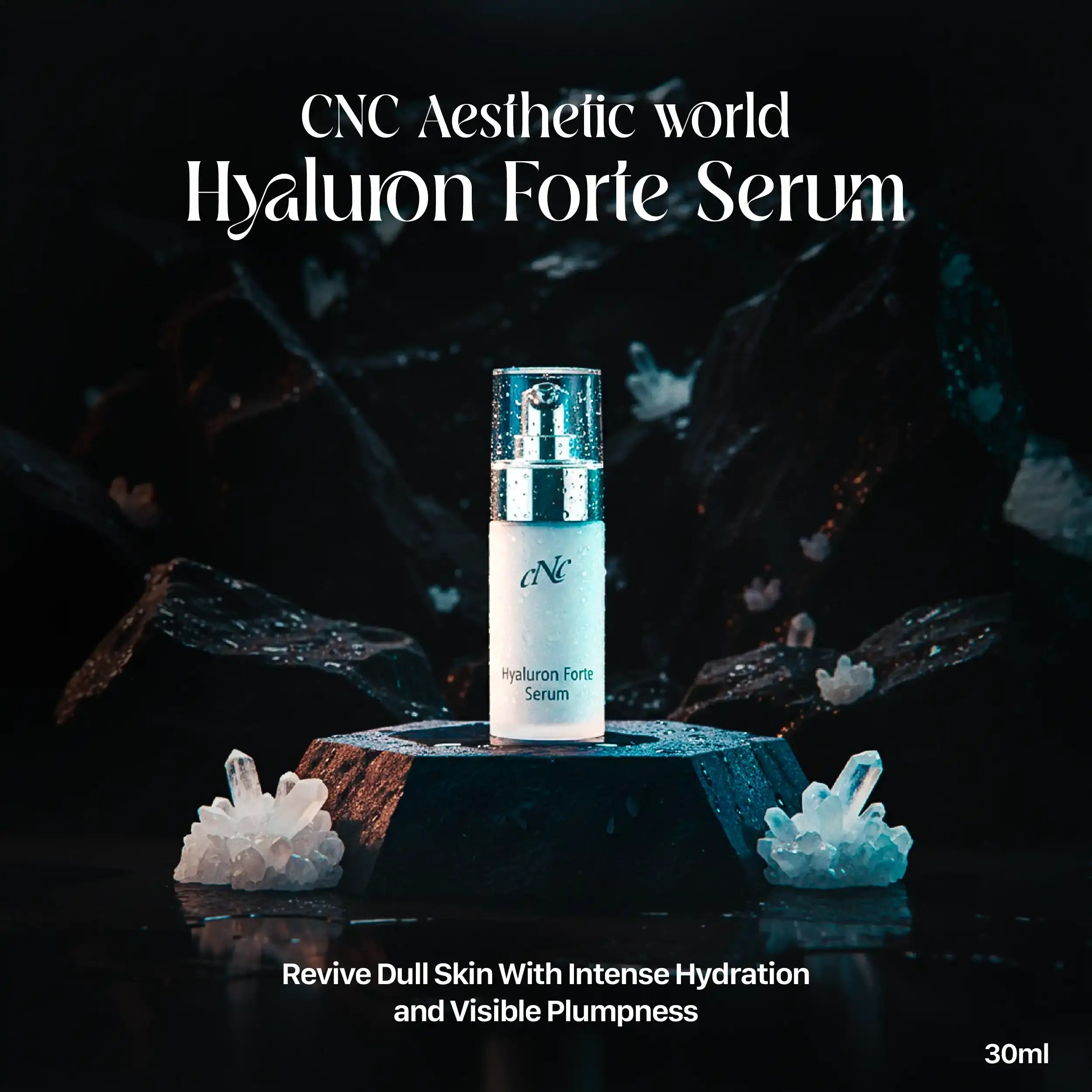
The CNC MED HYAL Glow & Brightening Serum 
combines a stabilised vitamin C derivative with niacinamide and tranexamic acid, offering brightening and tone-evening benefits that work just as well as part of a nighttime routine as they do in the morning. If you're looking for a more concentrated treatment, the CNC TriCollagen Booster + 3x Vitamin C Ampoules 
delivers a stronger dose designed to support collagen and radiance, and can be layered into either an AM routine under sunscreen or a PM routine focused purely on repair and brightening. Browse the full range of the CNC collection in the UAE to find a vitamin C formula that fits the time of day you actually want to commit to.
Conclusion
Vitamin C at night isn't a mistake — it's a legitimate alternative to the traditional morning routine, and for some skin types and lifestyles, it's actually the more sustainable choice.
While morning application has a real advantage if daytime environmental defence is your priority, vitamin C's brightening and collagen-supporting benefits work around the clock. Ultimately, the best time to use vitamin C is whichever one you can stick with consistently.
To support your skincare routine, explore Meddu's wide range of the CNC collection, designed to help you achieve vibrant, healthy, and naturally glowing skin in the UAE's extreme environment.
FAQs
Q: Does Vitamin C Stop Working If Used at Night?
A: No — its core benefits work regardless of time of day.
Q: Is Nighttime Vitamin C Better for Sensitive Skin?
A: Often, since it avoids extra daytime environmental exposure.
Q: Can I Use Vitamin C Both Morning and Night?
A: Generally, not necessary — pick one to reduce irritation risk.
Q: Does Vitamin C Interfere With Retinol at Night?
A: It rarely interferes with modern formulas, but many still prefer to separate them.
Q: Which Vitamin C Form is Best For Night Use?
A: Stabilised derivatives, which resist oxidation better than L-ascorbic acid.