





Serums are expensive enough that most people either ration them out of fear of running out too fast, or overapply because more product feels like it should mean more results. Both instincts are understandable, and both usually miss the mark. Serums are formulated to be used in fairly specific amounts — enough to actually deliver a meaningful dose of active ingredient, but far less than you'd use for a cleanser or moisturizer. Here's how to actually calibrate it.
Why "A Little Goes a Long Way" Is Genuinely True Here?
Serums are concentrated by design. Unlike a moisturizer, which is mostly built around emollients and water to hydrate and seal the skin, a serum's formula is weighted toward delivering a high percentage of active ingredient in a small volume. That's precisely why you don't need — and shouldn't use — the same amount you'd use for a body lotion. Applying too much doesn't necessarily give you a stronger effect; a lot of the excess simply sits on the surface, gets absorbed into clothing or a pillow, or evaporates without ever penetrating the skin.
The General Rule of Thumb
For most liquid or gel serums, 2 to 4 drops is typically enough to cover the entire face, sometimes described as roughly a pea-sized amount, depending on the serum's texture and your face size. This is the starting point most dermatologists and product formulators point to, though the right amount does shift a little depending on the specific type of serum you're using.
How Amount Varies by Serum Type?
- Watery, Lightweight Serums (Hyaluronic Acid, Some Vitamin C Formulas): These spread easily and absorb fast, so 2–3 drops is usually plenty to cover the full face and neck. Because the texture is so thin, applying more than this often just means product running off rather than being absorbed.
- Gel-Based Serums (Niacinamide, Brightening Formulas): Slightly thicker than pure liquid serums, these typically need 3–4 drops, or about a pea-sized amount, to spread comfortably across the face without leaving thin, patchy coverage.
- Oil-Based Serums: Facial oils are more concentrated per drop than water-based formulas, so 1–2 drops is often sufficient. Oils spread further than liquid serums and can feel heavy or greasy quickly if overapplied.
- Retinol and Other Potent Actives: This is the one category where less is genuinely more, and beginners in particular tend to overapply. A pea-sized amount — sometimes described as a "grain of rice" for very high-strength formulas — is enough to cover the entire face. Using more doesn't speed up results; it mostly increases the odds of irritation, redness, and peeling.
- Dropper-Dispensed Serums: If your serum comes with a glass dropper rather than a pump, half to a full dropper is the typical range, though this varies by brand — check the product's specific instructions, since dropper sizes aren't standardised across brands.
Signs You're Using Too Much
- Product pilling or balling up rather than absorbing
- Visible residue or a greasy sheen sitting on the skin's surface well after application
- Running through a bottle noticeably faster than the "should last X weeks" estimate on the packaging
- Increased irritation with active-ingredient serums, especially retinol or exfoliating acid formulas, without any added benefit to show for it
Signs You're Using Too Little
- Serum absorbs almost instantly, leaving skin feeling no different than before application
- Some areas of the face — often the cheeks or jawline — consistently feel drier or less treated than others, suggesting uneven coverage
- You're not seeing results after the expected timeframe (usually 4–8 weeks of consistent use for most actives), which is sometimes a coverage issue rather than a formula issue
A Simple Application Method
- Start with slightly less than you think you need — it's easier to add a small amount more than to deal with excess product sitting on your skin.
- Warm the serum slightly between your fingertips before applying; this helps it spread more evenly and can improve how well it's absorbed.
- Apply in light, even strokes across the face and neck, working outward from the centre.
- Give it a minute or two to settle before layering your next product, especially with concentrated treatment serums.
- Adjust slightly over time based on how your skin responds — dry climates, colder months, or drier skin types may benefit from being at the higher end of the typical range.
Does Skin Type Change How Much You Need?
To an extent, yes. Dehydrated skin can sometimes benefit from an extra drop or two of a hydrating serum, since there's more ground to cover in terms of moisture deficit. Oily or acne-prone skin generally does well sticking to the lower end of the range, since overapplying — even with a lightweight serum — can contribute to a heavier, less breathable feel throughout the day. Active-ingredient serums like retinol and exfoliating acids are the exception across all skin types: more product doesn't mean better results, only a higher chance of irritation.
Getting the Dosage Right With Well-Formulated Serums
Part of what makes "how much" easier to judge is using a serum designed with a clear, consistent texture and delivery format, rather than guessing with an inconsistent formula. In the UAE, Meddu's CNC Advanced Skincare collection includes serums formulated for straightforward, predictable application.

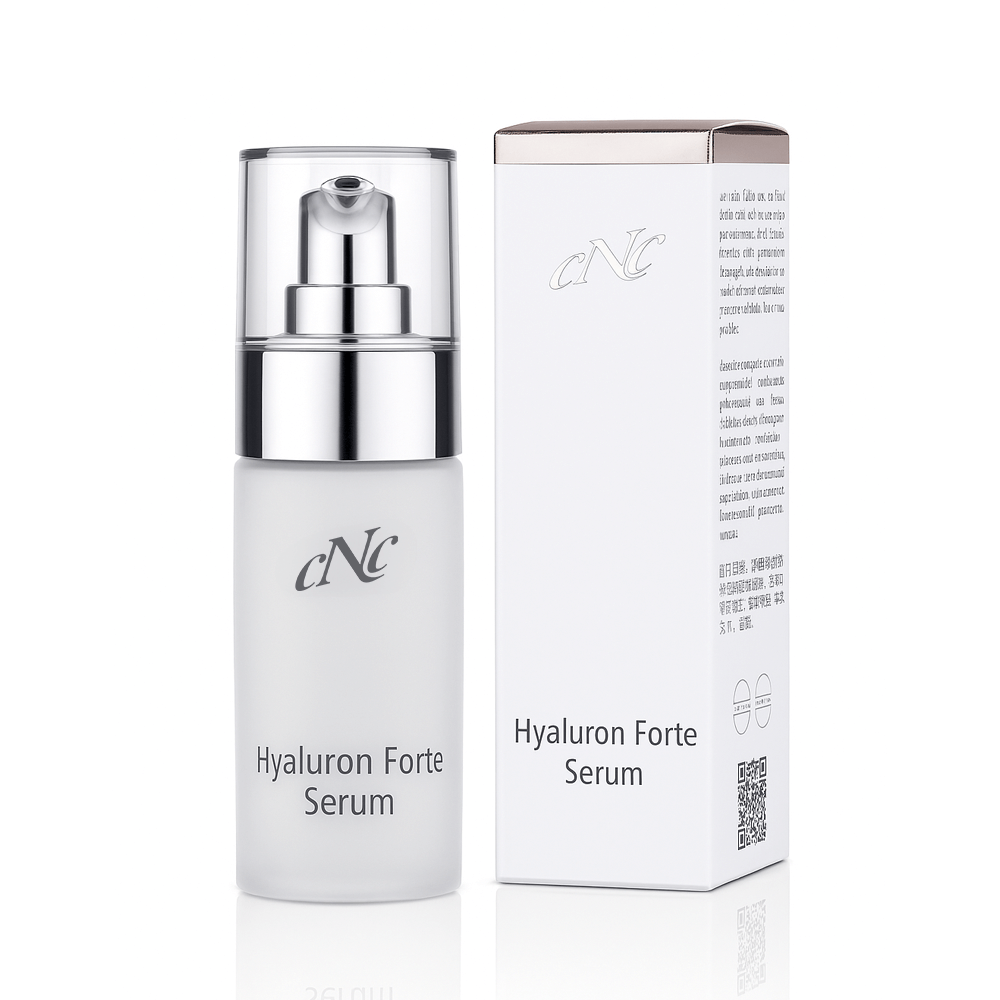
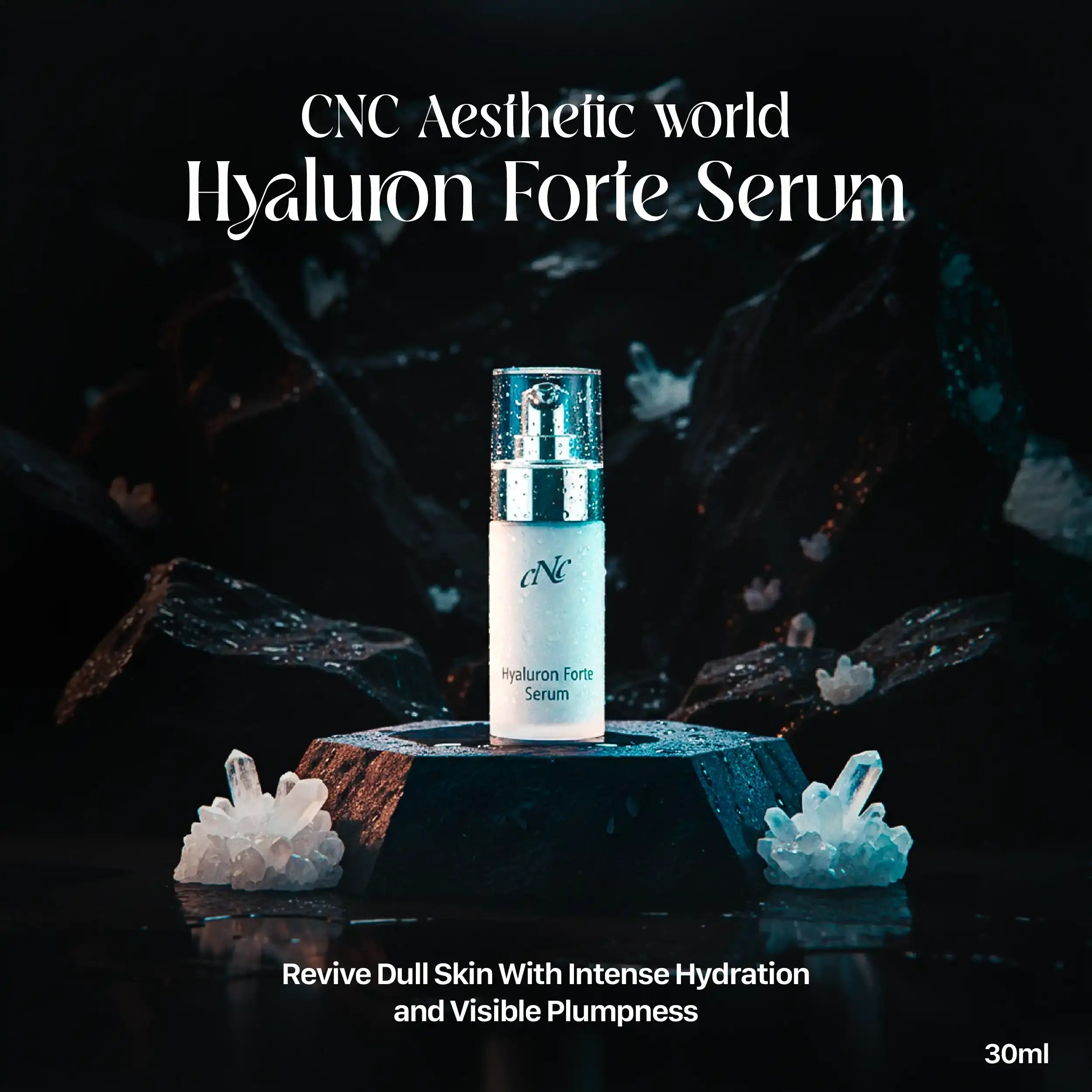
is a lightweight, pump-dispensed formula, where 2–3 pumps is typically enough to cover the full face — the pump format also makes it easier to apply a consistent amount each time compared to an open dropper. The CNC MED HYAL Glow & Brightening Serum 
has a slightly richer gel texture, so 3–4 drops or roughly a pea-sized amount is usually the right range to cover the face evenly without excess. If you're introducing retinol, the CNC Aesthetic World AgeMinus Face Serum 
should be used sparingly — a pea-sized amount is enough for the entire face, especially while your skin is still building tolerance. Browse the full CNC collection for more serums with clear, consistent dispensing that takes the guesswork out of dosage.
Conclusion
When it comes to skincare, using the right amount of serum can make all the difference. A few drops or a pea-sized amount are usually enough to cover the face evenly without overloading the skin.
Using more does not necessarily deliver faster results and may simply waste product or increase the risk of irritation with potent active ingredients.
With Meddu’s wide range of CNC products in the UAE, choose the formula that suits your skin’s needs and follow the recommended usage for the best experience. Pay attention to how your skin looks and feels, and make small adjustments when needed for a comfortable, effective, and consistent skincare routine.
FAQs
Q: How Much Face Serum Should I Use?
A: Usually 2–3 drops are enough for the entire face.
Q: Can I Use Too Much Serum?
A: Yes. Using too much may feel sticky and can sometimes irritate the skin.
Q: Should Serum Be Applied to Wet or Dry Skin?
A: It depends on the serum, but many water-based serums work well on slightly damp skin.
Q: How Often Should I Apply Face Serum?
A: Most serums can be used once or twice daily, depending on their ingredients.
Q: Should I Apply Serum Before Moisturizer?
A: Yes. Apply serum first, let it absorb, then follow with moisturizer.