





Dive into any skincare section or browse through the online store of any given brand, and it will not take long before you are bombarded with an overwhelming number of products, all promising to tackle the complex area around your eyes. From dark circles, puffiness, wrinkles, and lack of firmness, the problems are numerous, and the solutions are plentiful. Two of the most common solutions for these issues are the eye serum and the eye cream. However, what nobody ever seems to ask is, are these two products even different, and do they matter? The short answer to the question is, yes, they do matter. The long answer, however, is much more complex, and understanding the difference between the two will completely alter your approach to the area.
Understanding the Under-Eye Area
Before diving into the debate of eye serum vs eye cream, it helps to understand why the under-eye area requires special attention in the first place. The skin around your eyes is significantly thinner than the rest of your face — roughly 0.5mm compared to about 2mm elsewhere. It has fewer oil glands, less collagen support, and is constantly in motion due to blinking, squinting, and facial expressions. This makes it one of the first areas to show signs of aging, stress, and dehydration.
Because of its unique structure, standard face moisturizers — even rich, high-quality ones — are not always formulated to address the specific concerns that show up in this zone. That is why targeted products exist, and why the choice between an eye serum and eye cream deserves more thought than most people give it.
What Is an Eye Serum?
An eye serum is a fast-absorbing formula that is normally water-based or gel-based. It is intended to provide a high concentration of active ingredients to the skin layers. These active ingredients can be anything from retinol, vitamin C, peptides, hyaluronic acid, and niacinamide.
Serums have smaller molecular sizes compared to creams. This means that serums can penetrate the skin faster and deeper. This makes them more effective in addressing specific skin problems. If you have problems like dullness, discoloration, and lack of firmness in the under-eye area, a serum can be your best bet.
Eye serums are also best for those who have oilier skin types. This is because those who live in warmer and more humid places find heavy products suffocating for their skin. This is also true for those who have oilier skin. Serums are also best for those who have oilier skin. This is because serums are normally easy to apply and will not cake when you put your makeup.
What Is an Eye Cream?
An eye cream, on the other hand, is considered a richer, emollient-based product primarily intended to hydrate and protect the skin. Eye creams contain moisturizing ingredients such as shea butter, ceramides, squalane, and peptides in a cream base that is applied to the skin and acts as a protective barrier.
Eye creams function to lock in moisture and prevent water loss through the pores, which is one of the major causes of dehydrated skin and wrinkles. Eye creams are considered to be extremely effective for people with dry and mature skin types and for individuals whose major skin concerns are hydration, texture, and wrinkles.
Another advantage of eye creams is that they can lock in any products that are applied underneath them, making them an effective final step in your skincare routine.
Eye Serum vs Eye Cream: Breaking Down the Key Differences
When comparing eye serum vs eye cream, there are several key differences worth noting:
- Texture and Consistency: Serums are thin and fluid; creams are thick and rich. This affects how they feel on the skin and how well they absorb.
- Depth of Penetration: Serums penetrate deeper into the skin layers due to their smaller molecular size, making them more effective at targeting internal concerns.
- Primary Function: Serums treat specific skin concerns; creams primarily hydrate and protect.
- Skin Type Suitability: Serums suit oily, combination, or younger skin; creams are better for dry, mature, or sensitive skin types.
- Usage Timing: Serums are typically applied first, followed by eye creams as a finishing layer.
Understanding these distinctions helps you make a more informed choice — and reveals that in many cases, these two products are not competitors but rather complementary steps in a well-rounded routine.
Can You Use Both? Absolutely.
One of the biggest misconceptions in skin care is that you have to choose between using an eye serum and using an eye cream. The truth is that using both can be the best of both worlds in terms of skin care.
The key to using both is to apply them in layers. The general rule is to apply the thinner product first. This means applying the eye serum to dry skin and allowing it to be absorbed for about 60 seconds before applying the eye cream. This is best done in a nighttime routine.
How to Choose the Right Product for Your Concerns?
Your under-eye concern should guide your pick:
For dark circles or dullness, the CNC Classic PLUS DiHyal Eye Correction Serum targets discoloration and uneven tone with advanced DiHyal technology.
Battling puffiness? The CNC Hydrogel Eye Pads with Hyaluron deliver an instant de-puffing, cooling effect.
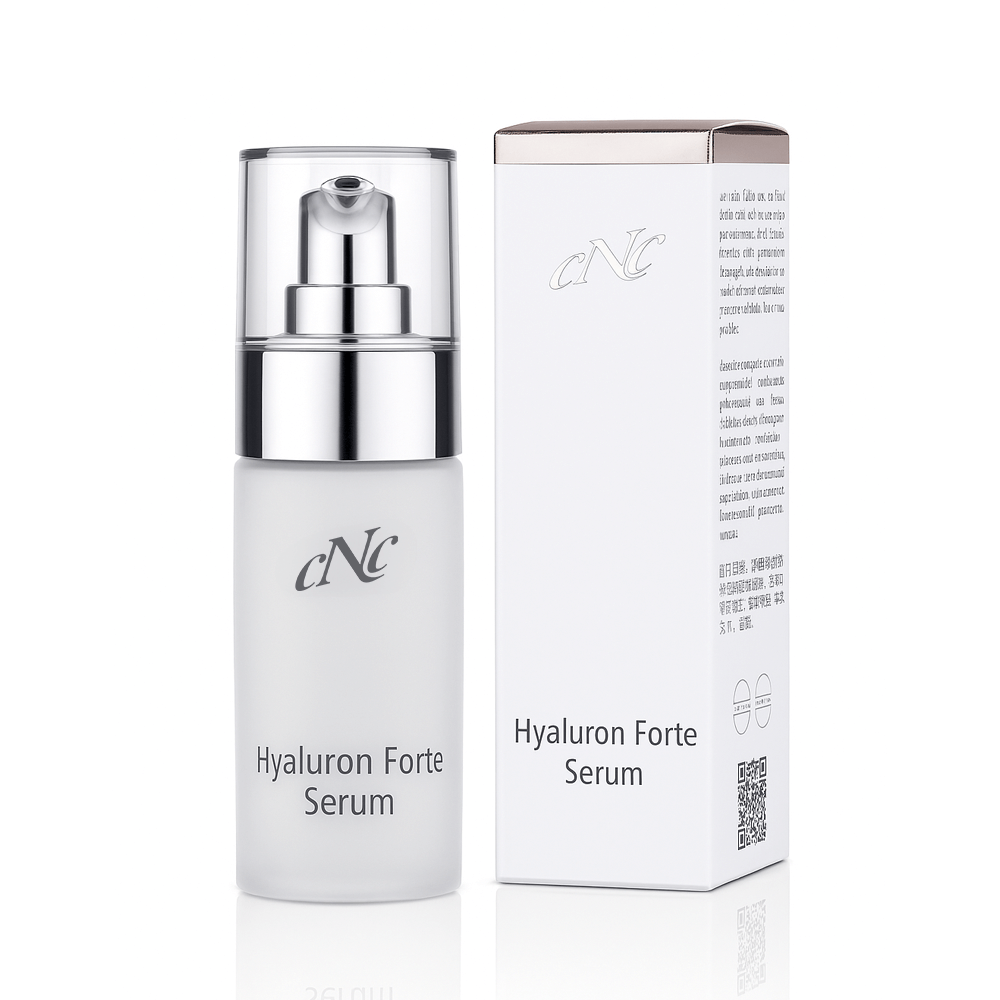
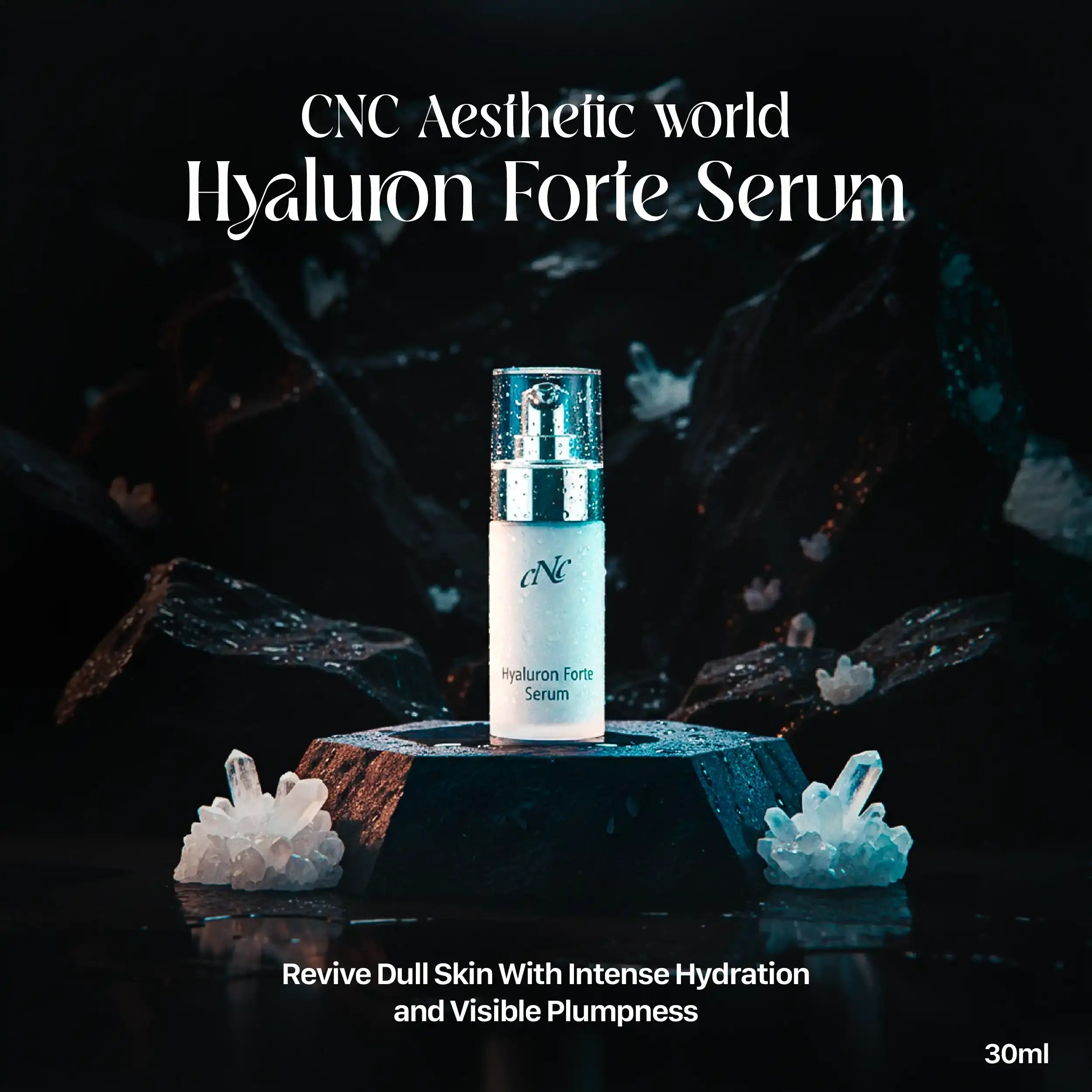
For fine lines and loss of firmness, reach for the CNC Hyaluron Forte Serum — its peptide-rich formula visibly smooths and firms.
If your under-eye area feels dry or crepey, the CNC Hyaluron Lift Ampulle offers deep, lasting hydration.
Dealing with multiple concerns at once? Layer your eye serum first, then follow with an eye cream to lock in results. Shop the full range of Meddu’s CNC Eye Care Collection to find your match.
Application Tips for Maximum Results
No matter which product you choose, proper application matters. Always use your ring finger — it applies the least pressure, which is important for such a fragile area. Dot a tiny amount along the orbital bone (the bony ridge beneath your eye) and gently tap — never rub — the product in. Avoid dragging the skin or applying product too close to the lash line to minimize the risk of irritation.
Consistency is everything in skincare. Whether you choose an eye serum, an eye cream, or both, give the product at least six to eight weeks of consistent use before evaluating results. The under-eye area responds slowly to treatment, and patience is the secret ingredient no label will ever list.
Conclusion
At Meddu, we believe the choice between an eye cream and a face serum isn’t about which is better—it’s about what your under-eye area truly needs. Each product serves a unique purpose: serums deliver targeted actives to address concerns like dark circles or fine lines, while eye creams provide essential hydration and protection for delicate skin.
When used together, they create a balanced routine that supports healthier, more refreshed-looking eyes. Instead of choosing one over the other, focus on building a routine tailored to your skin type and concerns.
With the right approach, your under-eye care can become both effective and rewarding.
FAQs
Q: Can I Use an Eye Serum And Eye Cream Together?
A: Yes — apply the serum first, let it absorb for 60 seconds, then layer your eye cream on top.
Q: At What Age Should I Start Using Eye Care Products?
A: Mid-20s is a good starting point; prevention is far easier than correction.
Q: How Long Before I See Real Results?
A: Most people notice a visible difference after 6 to 8 weeks of consistent daily use.
Q: Can Eye Products Cause Milia (Small White Bumps)?
A: Yes, if the formula is too heavy for your skin. Switch to a lighter eye serum if this happens.
Q: Is It Safe to Use Retinol-Based Eye Serums Every Night?
A: Start 2 to 3 nights per week and build up gradually to avoid irritation.