



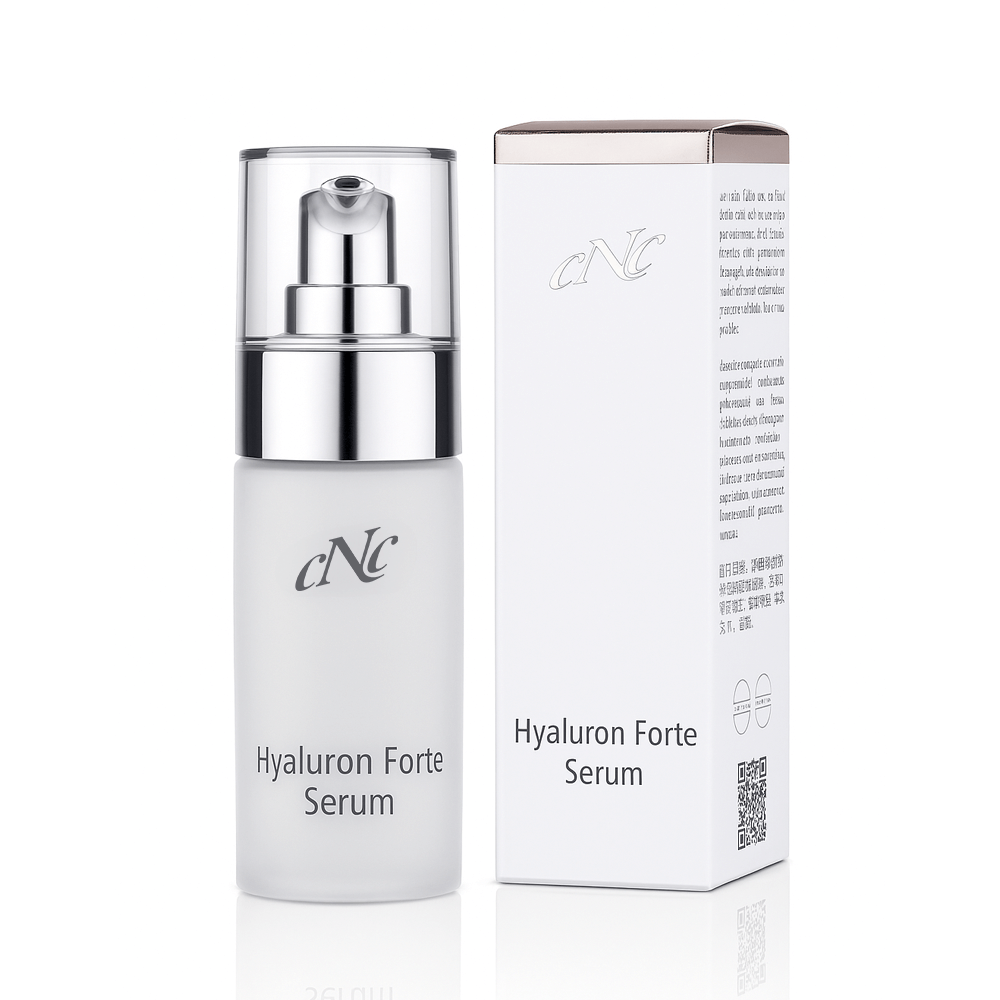



Face serums have earned their place in modern skincare routines for a simple reason: they deliver active ingredients directly where the skin needs them most. Yet, despite owning the right serum, many people don’t see results, not because the product is ineffective, but because it’s applied incorrectly.
Using a Face serum is less about layering another product and more about timing, technique, and understanding how your skin behaves, especially at night. This becomes even more important when learning how to use serum on the face at night, as incorrect use can reduce its benefits or irritate the skin.
This guide breaks down the correct way to apply a face serum, step by step, with real-world clarity, no gimmicks, no exaggerated claims, for individuals residing in the UAE.
Why Correct Serum Application Matters
Serums are formulated with smaller molecules and higher concentrations of active ingredients compared to creams or lotions. This allows them to penetrate deeper layers of the skin. But that same potency means they must be applied thoughtfully.
Incorrect application can lead to:
- Reduced absorption
- Skin sensitivity or breakouts
- Wasted product
- Delayed or uneven results
When applied correctly, especially during the night—serums support skin repair, collagen production, and cellular renewal, all of which naturally peak while you sleep.
How to Use face Serum on Face correctly
Step 1: Start With Proper Cleansing
Before applying any serum, your skin must be clean. Residual oil, sunscreen, or makeup creates a barrier that prevents absorption.
At night:
- Use a gentle cleanser suited to your skin type
- If you wear makeup or sunscreen, double cleansing is ideal
- Avoid harsh scrubs or over-cleansing, which can weaken the skin barrier
Pat your face dry with a clean towel. Skin should be slightly damp, not wet.
Step 2: Apply Toner
Toners are optional, but when used correctly, they prepare the skin for better serum absorption.
Choose:
- Alcohol-free toners for hydration and balance
- Exfoliating toners only 2–3 times a week
Allow the toner to settle into the skin for about 30 seconds before moving to the serum.
Step 3: Use the Right Amount of Serum
More is not better. Over-applying serum does not speed up results and often causes irritation.
General guideline:
- 2–3 drops for the entire face
- 1 additional drop for the neck if needed
Warm the serum lightly between your fingertips before application. This helps it spread evenly and absorb better.
Step 4: Correct Application Technique
Instead of rubbing aggressively, use controlled, gentle movements.
Best method:
- Lightly press the serum into the skin using your fingertips
- Start from the center of the face and move outward
- Avoid tugging around the eye area unless the serum is specifically formulated for it
Pressing helps the product absorb without stressing the skin.
How to Use Vitamin C Serum on Face at Night
Vitamin C is often associated with daytime use, but night-time application can be equally effective, provided it’s done correctly.
Is Vitamin C Safe to Use at Night?
Yes. Vitamin C can be used at night, especially for:
- Repairing daily oxidative stress
- Supporting collagen synthesis
- Brightening uneven skin tone
- Improving skin texture over time
Night use can be particularly beneficial for sensitive skin types who experience irritation from daytime sun exposure.
Choosing the Right Vitamin C Formula for Night Use
Not all vitamin C serums behave the same way.
For night-time application:
- L-ascorbic acid works well if your skin tolerates it
- Gentler derivatives (like sodium ascorbyl phosphate) suit sensitive skin
- Concentrations between 10–15% are ideal for regular use
Avoid layering strong actives like retinol on the same night unless advised by a professional.
Step-by-Step Night Application of Vitamin C Serum
- Cleanse your face thoroughly
- Apply toner (optional)
- Take 2–3 drops of vitamin C serum
- Press gently onto face and neck
- Allow 1–2 minutes for absorption
- Follow with a nourishing night moisturiser
This sequence ensures the serum penetrates effectively before being sealed in.
Step 5: Lock It In With Moisturiser
Serums work best when followed by a moisturiser. This step prevents moisture loss and enhances ingredient performance.
At night:
- Choose a cream or gel suited to your skin type
- Look for barrier-supporting ingredients like ceramides or hyaluronic acid
- Avoid heavy occlusive products immediately after vitamin C if your skin is acne-prone
The moisturiser acts as a protective layer, allowing the serum to work uninterrupted overnight.
Common Mistakes to Avoid
Even high-quality serums won’t deliver results if basic mistakes are made.
Avoid:
- Applying serum on dirty or overly dry skin
- Using too many active ingredients at once
- Skipping moisturiser after serum
- Rubbing the product aggressively
- Using oxidised vitamin C (dark yellow or brown in colour)
Consistency matters more than frequency. A well-applied serum used regularly will outperform sporadic overuse.
How Often Should You Use a Face Serum?
Most serums, including vitamin C, can be used:
- Once daily (preferably at night for beginners)
- Twice daily if your skin is well-adjusted
If irritation occurs, reduce frequency instead of discontinuing completely.
Final Thoughts
Applying a face serum correctly is a quiet skill, there’s nothing dramatic about it, but the results show over time. Understanding how to use vitamin C serum on face at night allows you to make the most of your skincare routine without overwhelming your skin.
The right amount, the right order, and a gentle approach are what truly make a serum effective. Skincare isn’t about doing more, it’s about doing things right, consistently in the UAE.
- Add your first tip
- Add your second tip